Key takeaways
- The cents-per-point formula (cash value ÷ points cost × 100) is the only reliable way to compare redemption quality across programs and booking methods.
- Set a personal minimum cpp threshold—typically 1.5 for economy and 2.5+ for premium cabins—and refuse to redeem below it except under exceptional circumstances.
- Transfer to partner programs almost always delivers better cpp than direct bookings in credit card portals because airlines and hotels price awards based on actual revenue management.
- Award prices fluctuate by season and demand; the same flight or hotel room can swing from 1.2 cpp to 2.5 cpp depending on when you book, so timing matters as much as which program you use.
Calculating cents per point is the single most important skill for travel rewards redemptions. It’s the only metric that lets you compare whether using points on a $300 flight is actually better than transferring those same points to an airline partner, or whether booking a $400 per night hotel with points represents genuine value. Without this calculation, you’re flying blind—using points based on habit instead of mathematics.
The Fundamental Formula
The equation is straightforward: divide the cash value by the points cost, then multiply by 100 to express it as cents per point.
(Cash value in reais ÷ Points cost) × 100 = cents per point
A redemption worth 2 cents per point means that for every 1,000 points you spend, you’re extracting approximately R$20 in value. A 1.5 cpp redemption extracts R$15 for the same 1,000 points. The difference compounds fast across multiple trips and multiple redemptions per year.
Most travel rewards experts consider 1 cpp the baseline floor for a worthwhile redemption on economy awards. Premium redemptions on business or first class regularly deliver 3–6 cpp or higher. Domestic economy awards often range 1.2–1.8 cpp. International economy sweet spots (off-peak routing) reach 2–2.5 cpp.
Determining the True Cash Value
The cash value component requires intellectual honesty. You cannot use the published rack rate of a hotel or the posted airline fare as your comparison point. Those prices exist only in theory for the majority of travelers. Your real alternative is what you would actually pay for that room or ticket right now, today, on the dates you plan to travel.
For Flights
Check Google Flights, Kayak, or airline websites directly in Brazil. Write down the lowest available cash fare in the exact cabin class you’re redeeming. For a São Paulo to Miami flight in coach, that might be R$1,800–R$2,400 depending on dates and how far in advance you book. For the same route in business class, it might be R$6,500–R$9,000. Use the lower end of what you actually see available, not aspirational pricing or premium fares. Many Brazilian travelers make the mistake of pricing their redemptions against the flexible rate rather than the prepaid rate they could actually book.
For Hotels
Search the same dates on Booking.com, Expedia, or the property’s website directly. A Marriott Bonvoy property in Rio de Janeiro might display a flexible rate of R$800 per night but the actual lowest available prepaid rate might be R$480. Use the R$480 figure in your calculation. This is what you’re truly comparing against—the price you would actually pay if you didn’t have points.
For Transfer Partners
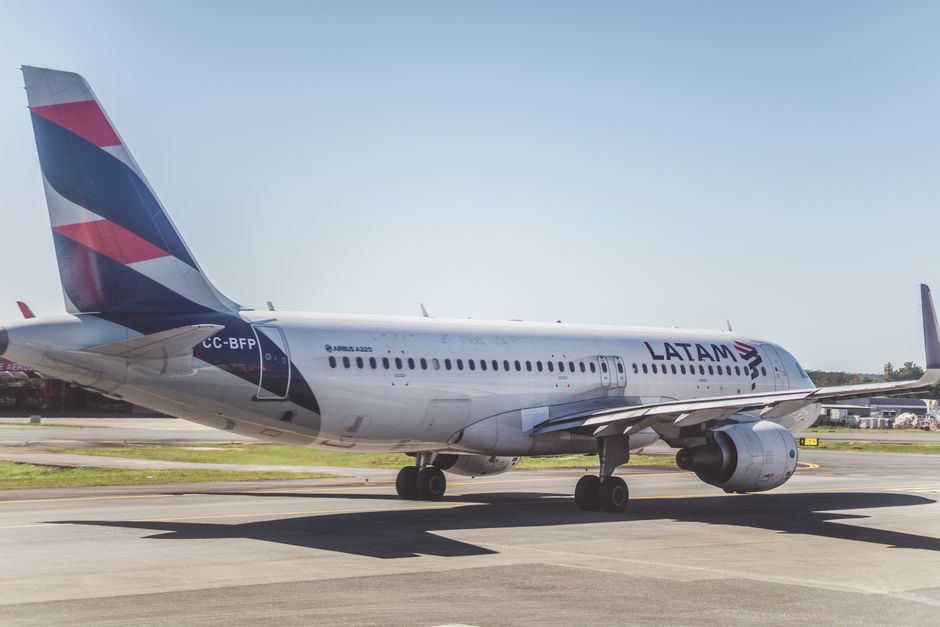
Check the airline or hotel website directly for their cash prices and award charts. A one-way business class award on LATAM might cost 60,000 miles from Miami to Brazil and 85,000 for a return. A round-trip economy award costs 25,000 miles each way. The cash price for that same business seat might be $1,200–$1,600 depending on demand.
Accounting for Your Points Cost
The points cost has hidden components that affect your true cpp calculation.
First, the literal point value. A 60,000-point LATAM award for a one-way business seat from Miami to São Paulo is straightforward: you’re spending 60,000 points for a ticket with a cash price of approximately R$6,000–R$7,500. That’s roughly 1.8–2.5 cpp.
But many redemptions include transfer fees or require conversions that change the math. Some credit card programs charge 1.5× to 2× the points if you book directly with points in their travel portal, versus transferring to a partner and booking there. American Express Platinum cardholders in Brazil can transfer points to Marriott Bonvoy, United MileagePlus, or LATAM at a 1:1 ratio with no fee. But when Amex runs a transfer bonus promotion—say, 25% extra miles on transfers to LATAM—you effectively get 125,000 miles for 100,000 points, dramatically raising your cpp on any LATAM award you book.
Membership fees also affect the calculation. The Amex Platinum card in Brazil costs approximately R$2,400–R$2,600 annually. If you receive annual statement credits worth R$400–R$600 and one international trip credit, you’ve cost-adjusted your fee. But the net cost still reduces the value of every redemption you make that year.
Award Pricing Varies Dramatically by Program
United MileagePlus and Dynamic Pricing
United uses dynamic pricing where award prices fluctuate based on demand. A round-trip economy award from São Paulo to New York might cost 30,000 miles on an off-peak date or 50,000 miles on a peak date. The same ticket might be R$3,000 cash or R$6,000 cash depending on timing. Calculating cpp for United requires checking the specific award at the specific price you’re considering: is 45,000 miles for a $1,200 ticket (2.67 cpp) worth it for your dates? If so, book. If not, wait for a cheaper award window.
LATAM Plus and Fixed Bands
LATAM prices awards on fixed tiers that change twice yearly (February and August). Economy awards within South America typically cost 25,000–40,000 miles depending on distance. Business class averages 85,000–120,000 miles one-way. In off-season (March–May), a business award to Buenos Aires is 85,000 miles. In peak season (July–August), the same route jumps to 110,000–120,000. The cash price stays similar ($1,200–$1,500), so your cpp drops from 1.76 cpp to 1.25 cpp. Knowing this lets you avoid booking peak-season awards and wait for off-season windows.
Marriott Bonvoy and Category-Based Points
Marriott uses a category system: a category 2 property costs 10,000 points per night; a category 5 property costs 30,000 points; a category 7 costs 50,000. In Brazil, a Marriott in São Paulo is typically category 5–6. A category 5 property showing a cash rate of R$1,200 per night is 30,000 points ÷ R$1,200 = 2.5 cpp. But if that same hotel drops to a sale rate of R$700 per night, your cpp falls to 1.2 cpp—below the 1 cpp floor. This is why timing matters even for fixed-price award programs.
Direct Booking Versus Partner Transfer: The Math
A common decision: is it better to book directly with points in a card’s travel portal, or transfer to a partner program and book there?
You found a LATAM flight from São Paulo to Los Angeles for R$7,500. The Amex Platinum offers direct booking in their portal for 100,000 Membership Rewards points. Or you can transfer to LATAM at 1:1 and book the same flight for 50,000 miles directly on LATAM’s website (plus R$300 in surcharges).
Direct option: R$7,500 ÷ 100,000 points = 7.5 cpp
Transfer option: R$7,800 ÷ 50,000 miles = 15.6 cpp
The transfer option delivers more than double the value because airline programs price awards based on revenue management, not a flat fee. This pattern holds repeatedly: transfer to partners almost always beats direct redemptions because partner programs are pricing rationally based on demand.
Strategic Decisions Using Cpp
Once you can calculate cpp for any award, you can make systematic decisions instead of emotional ones.
Set a personal minimum threshold and stick to it. Most experienced reward users won’t redeem below 1.5 cpp for economy unless forced to burn points before an expiration. Premium cabin sweet spots demand 2.5+ cpp minimum. Know your floor and don’t cross it.
Use seasonal windows strategically. LATAM awards to Europe in off-season (March–May) are 95,000 business miles one-way with cash prices around $1,200–$1,400. July–August prices jump to 125,000 miles with similar or higher cash prices. The same $1,300 ticket means 1.37 cpp in May but only 1.04 cpp in August. Waiting three months moves you from below-floor to solid value.
Hold for better rates instead of redeeming mediocre awards. The hardest discipline is not using 50,000 points on a 1.2 cpp award just because you’re traveling next month. But if you wait six months, your points might buy a premium cabin or a better route, moving you from 1.2 cpp to 2.5 cpp. That’s more than double the value for patience.
Frequently Asked Questions
What is a good cents-per-point value for an economy award?
Most travel rewards experts consider 1.5+ cpp the baseline for economy awards. Domestic flights are often 1.2–1.8 cpp. International economy routes on off-peak dates can reach 2–2.5 cpp, which is considered excellent.
Why does transferring points to LATAM deliver better value than booking direct with my Amex points?
Airline loyalty programs price awards based on dynamic revenue management—supply, demand, and route profitability. Credit card portals use flat fees, meaning you overpay for low-demand awards and underpay slightly for peak awards. Partner transfers almost always beat direct bookings because the airline's pricing is more granular.
Should I redeem 45,000 miles for a business class award that's available for R$1,200 cash?
That's 2.67 cpp—above the 2.5 threshold for business awards and strong value. But first check: will the same award cost 60,000 miles in two weeks during peak season? If yes, wait. If this is genuinely off-peak, book it.