Key takeaways
- Welcome bonuses are worth R$ 500–2,000 on average in Brazil; meeting the minimum spend without overspending is the key to capturing full value.
- Consolidate your existing monthly expenses (groceries, utilities, subscriptions) onto the new card to meet spending requirements naturally.
- Statement credits are simpler than miles; miles are valuable only if you understand award charts and have specific redemption plans.
- Calculate whether the bonus minus the annual fee justifies keeping the card beyond year one; many cards are worth it only in year one.
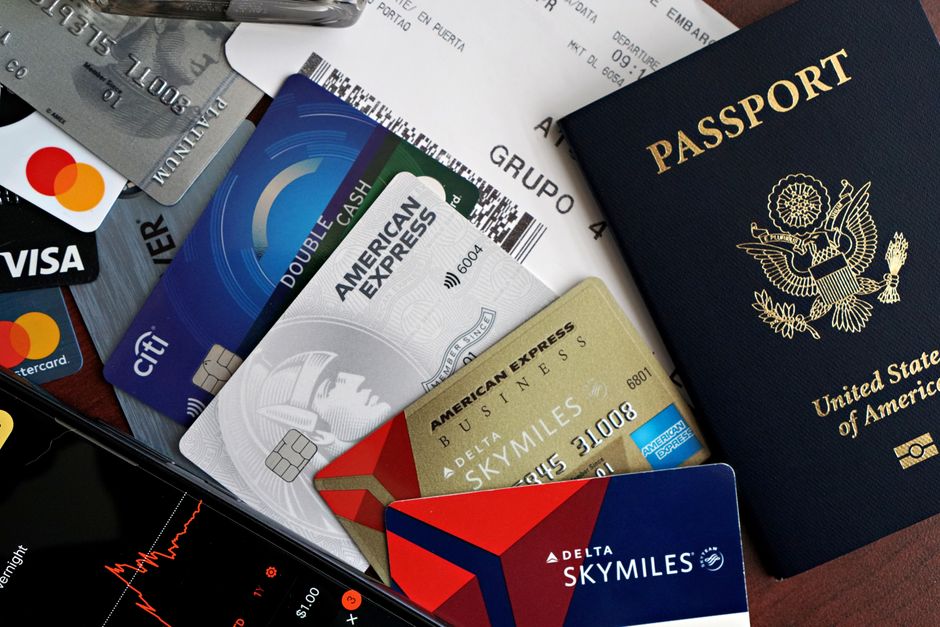
A welcome bonus is the incentive credit card companies offer new cardholders to apply: complete a spending requirement within a set timeframe, and receive a reward in the form of statement credits, miles, points, or cashback. For travelers and rewards hunters in Brazil, these bonuses are often the most valuable earnings opportunity on a card, sometimes worth more than a year of regular spending. But earning the bonus safely—without forcing unnecessary purchases or damaging your finances—requires a clear strategy.
How Welcome Bonuses Work
When you open a new credit card, the bank attaches a bonus that activates once you meet a minimum spending threshold within a specified window, typically 3 to 6 months. The bonus is credited automatically; no additional actions are required once you cross that threshold. Most card issuers in Brazil—including American Express, LATAM+, and Nubank—structure bonuses this way.
The key to bonuses is understanding their true value relative to annual fee and ongoing rewards. If a card charges R$ 400 annual fee but offers R$ 1,200 in welcome value over the first year, the net benefit is R$ 800 before you earn a single point on regular spending. That math determines whether the card is worth applying for, especially if you do not plan to keep it long-term.
Types of Welcome Bonuses
Statement Credits
A statement credit is a direct deduction on your bill. American Express cards in Brazil, such as the Gold and Platinum, often offer statement credit bonuses—for example, a R$ 500–800 credit after spending R$ 5,000 to R$ 8,000 within the first three months. You spend, the requirement is met, and your next invoice shows a credit. This is the simplest bonus type because there is no second step: the value is immediate and literal.
Miles and Points
Airline and transfer-partner programs offer bonuses in their own currency. LATAM+ Mastercard, for instance, may offer 50,000 to 80,000 LATAM miles for new cardholders after meeting a minimum spend—often R$ 6,000–10,000. These bonuses are valuable only if you understand program award charts and redemption rates. A 50,000-mile bonus can be worth R$ 1,500–3,000 depending on the route and class of service, or it can be nearly worthless if you never use it.
Cashback
Cashback bonuses are rare in Brazil but appear on some Nubank and fintech cards. They work similarly to statement credits but are sometimes framed differently—either as a percentage rebate on all purchases up to a cap, or as a flat credit. The net effect is identical to a statement credit from a consumer perspective.
Minimum Spend Requirements Explained
What Counts Toward Minimum Spend
Most card issuers count regular purchase transactions: groceries, restaurants, fuel, retail shopping, subscriptions, and utility bills all count in full. Some cards also count prepayments on airline tickets or hotel stays. Always check your card’s terms, but in Brazil, the standard rule is simple—if it is a regular debit to your card, it counts.
Brazilian credit card companies are generally transparent about this. Nubank, Inter, and Amex all publish their terms online. A purchase of R$ 1,500 counts as R$ 1,500 toward a R$ 8,000 minimum; there is no ambiguity.
What Does Not Count
Balance transfers, cash advances, annual fees, and interest charges never count. Payments to credit card bills—transferring a balance from another card—also do not count, because they are not new purchases. Some issuers exclude insurance or protection plans added to the card. Check the terms before applying; if your plan is to transfer existing debt, that strategy will not work.
Safe Strategies to Meet Minimum Spend
Consolidate Existing Monthly Expenses
The safest way to meet minimum spend is to redirect bills and regular purchases you already pay to the new card. Shift your grocery shopping, utility payments, internet, and insurance to the card for three months. For a Brazilian household with moderate spending, redirecting essentials typically covers R$ 3,000–6,000 monthly. In three months, that is R$ 9,000–18,000, well above most minimums.
The advantage: you spend no extra money, carry no balance if you pay in full, and accumulate both the bonus and ongoing reward points. This is the preferred method for responsible cardholders.
Gift Cards and Prepayments
Purchasing gift cards for retailers you frequent does count as regular spending. If you know you will spend R$ 500 at a supermarket over the next year, buying a R$ 500 gift card now counts immediately toward the minimum spend, and you spend the card later at your natural pace. The same applies to meal vouchers, fuel credits, or subscription prepayments.
The risk here is modest: you must have high confidence you will redeem the card, or you risk overspending overall. If you buy a R$ 1,000 gift card you do not use, you have wasted money to unlock the bonus. Stick to products you know you will use.
Timing Large Planned Purchases
If you are planning to buy a laptop, repair an air-conditioner, or make another large purchase within the next six months, applying for a card in advance can let you use that purchase toward the bonus requirement. This is safe as long as the purchase is already planned and the new card offers a better rewards rate than your current one.
Calculating Bonus Value and Breaking Even
To determine if a bonus is worth the annual fee, use this formula: Bonus value minus annual fee, divided by expected annual spending. An American Express Gold card with a R$ 400 annual fee offering R$ 800 in welcome credits breaks even if you spend R$ 8,000 to R$ 10,000 in the first year and earn enough reward points to cover the fee.
For a typical Brazilian family, if the bonus and year-one rewards exceed the annual fee by at least 50 percent, the card is worth the annual expense. Use online bonus converters to estimate miles and points value—LATAM publishes award charts, and one LATAM mile is broadly valued at R$ 0.015–0.025 for economy redemptions.
Timing Your Application
Most issuers limit welcome bonuses to one per person per year on the same product. If you earned a bonus on an American Express Gold card in January, you cannot earn it again until January of the following year. Plan applications strategically: apply for a card shortly before you naturally expect higher spending (the start of a calendar year, before a trip, or before home repairs). Spreading applications over 3 to 6 months lets you space out the work of meeting minimums.
Common Pitfalls to Avoid
The most dangerous trap is overspending to meet the minimum. If the minimum is R$ 8,000 and you have only R$ 5,000 of natural spending planned, do not manufacture an extra R$ 3,000 in unnecessary purchases. The bonus might be worth R$ 1,000, but if overspending costs you R$ 3,000, you have lost money overall. Stick to the consolidation and prepayment strategies instead.
A second mistake is ignoring the annual fee on subsequent years. Many cardholders earn a large bonus, then pay R$ 300–600 annually for years because they forget to review the card’s value. Set a reminder six months before the anniversary to decide whether to keep or close the card.
Finally, do not apply for multiple cards simultaneously to meet separate minimums unless you can genuinely cover them all. Managing three spending requirements across three cards over three months is cognitively taxing and increases the risk of missed deadlines or accidental overspending. Start with one card and expand once the first bonus is earned.
Frequently Asked Questions
Do prepaid services like subscription renewals count toward minimum spend?
Yes. Prepaying for Netflix, Spotify, insurance, or other subscription services counts as a regular purchase. However, transferring a balance from another credit card does not count, and neither do cash advances.
How long do I have to meet the minimum spend requirement?
Most welcome bonuses have a 3- to 6-month window from the date you open the card. Check your card agreement for the exact deadline; if you miss it, the bonus is forfeited and cannot be claimed later.
Is it worth paying interest on installments to meet a welcome bonus minimum?
No. Credit card interest rates in Brazil range from 2 to 3 percent monthly, making a R$ 1,000 purchase cost R$ 120+ in interest over a year. Even a R$ 1,000 welcome bonus does not justify carrying that debt. Meet the minimum with interest-free spending or prepayments instead.